
There is no single food that can shrink an enlarged prostate, prevent prostate cancer, or replace medical care. But a plant-forward eating pattern with healthy fats, fibre, and a wide range of whole foods can support overall health—and that is a meaningful place to start.
These twelve foods are reordered for maximum impact and everyday usefulness. Think of them as ingredients for a stronger plate, not as treatments. Persistent urinary symptoms always deserve a conversation with a health professional.
1. Tomatoes: The Everyday Red Powerhouse
Sponsored Links
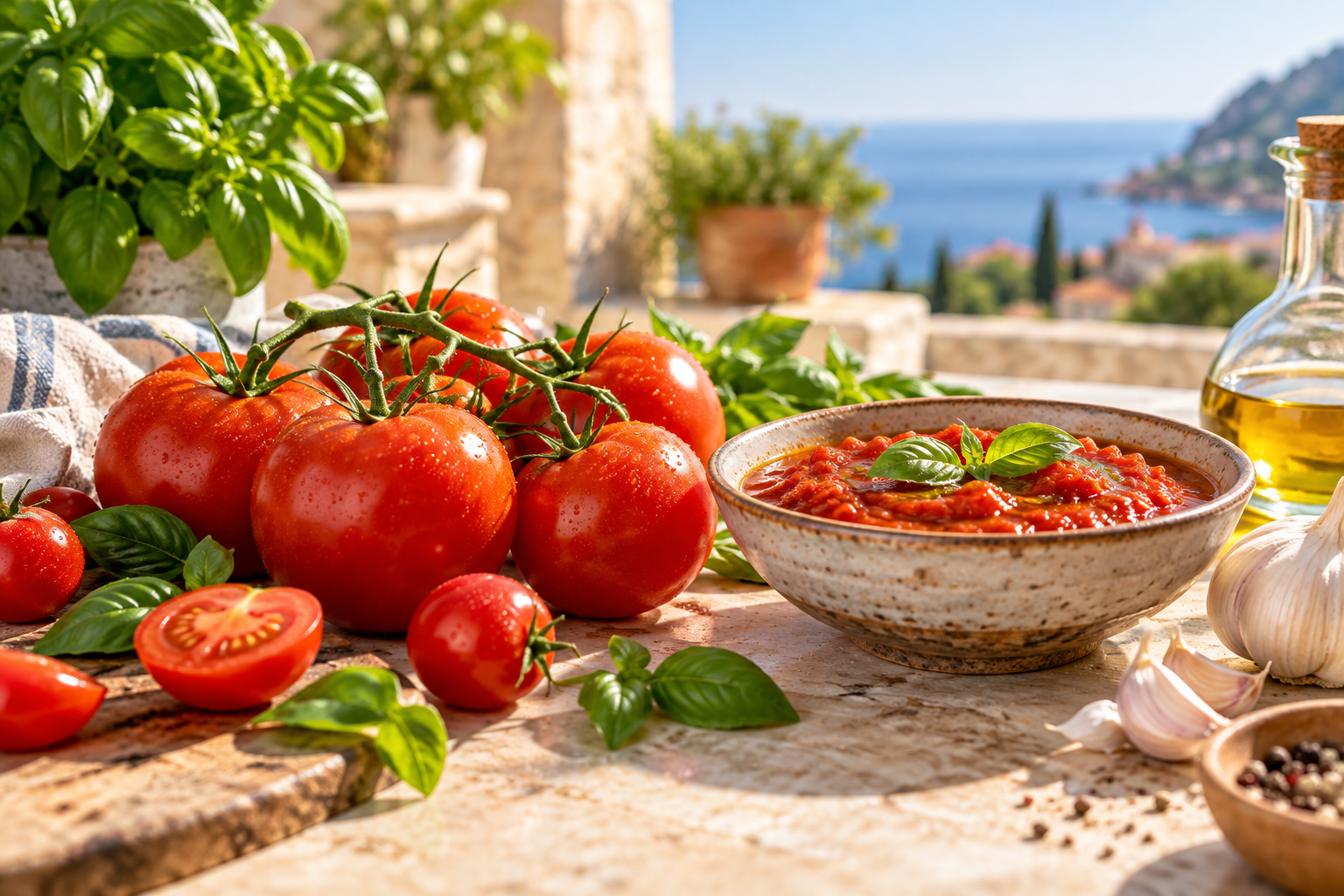
Tomatoes are an easy starting point because they work in almost any meal—salads, soups, pasta sauce, or a simple roasted side. Their rich red colour comes from lycopene, a plant compound that continues to be studied in relation to prostate health.
Research has not proved that tomatoes prevent or treat prostate cancer, but they fit naturally into a colourful, vegetable-rich diet. Cooked tomato dishes are especially convenient: try a lower-sodium marinara with vegetables, beans, or fish.
2. Cruciferous Vegetables: Broccoli’s Strong Supporting Cast
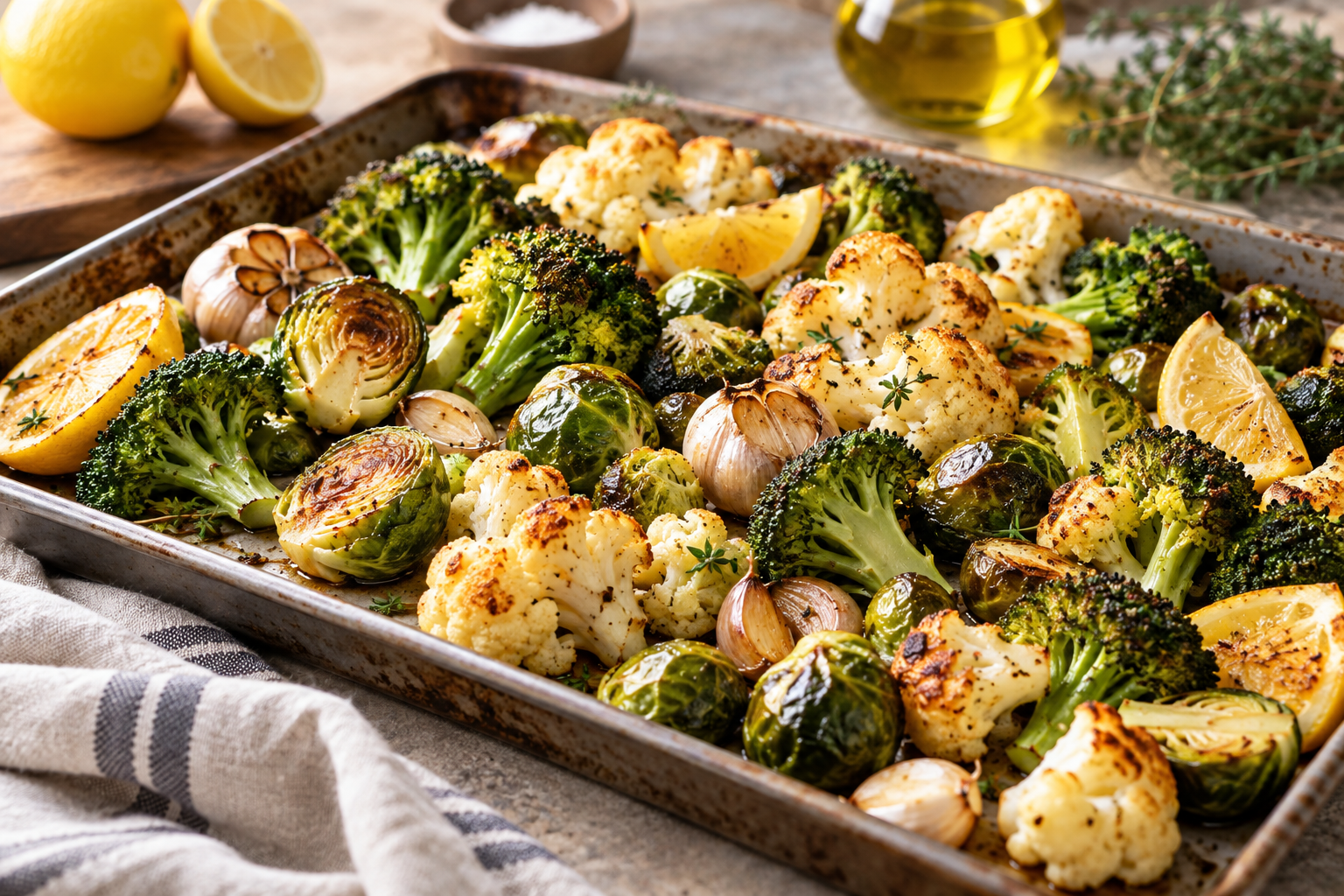
Broccoli, cauliflower, cabbage, kale, and Brussels sprouts bring variety, texture, and plenty of fibre to the plate. They are among the vegetables researchers continue to examine for their potential role in long-term cancer prevention.
The easiest approach is also the tastiest: roast or quickly sauté them with olive oil, garlic, and lemon. Aim for a repeatable habit—adding one of these vegetables to dinner a few times a week is more useful than chasing a perfect recipe once.
3. Salmon and Other Oily Fish: A Smarter Main Course
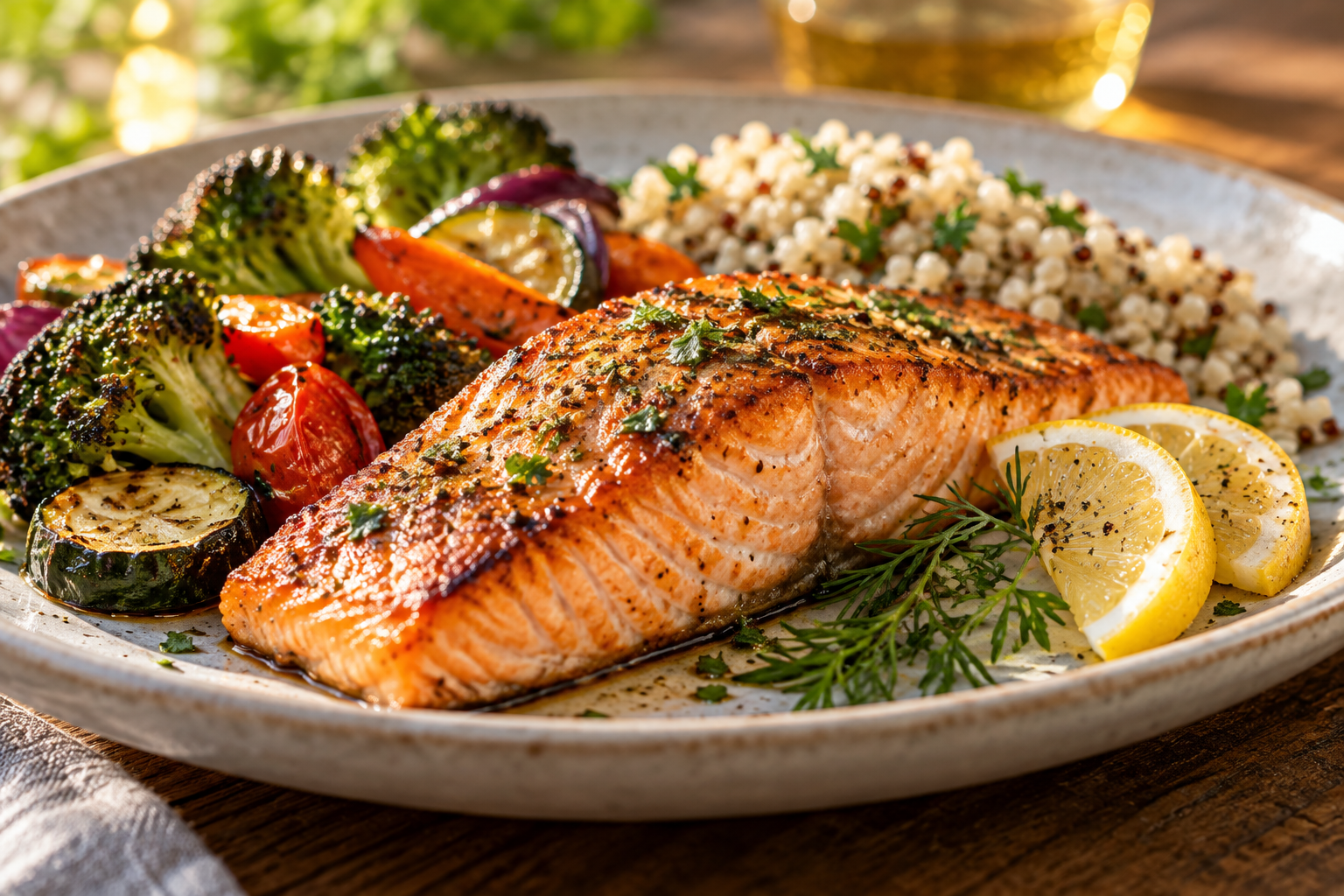
Salmon, trout, sardines, and mackerel are satisfying protein choices that also provide unsaturated fats. Swapping fish into the rotation can help shift meals away from processed or heavily charred meats.
Fish is not a prostate treatment, but it is part of the kind of balanced pattern often recommended for general health. Bake, poach, or pan-sear it gently, then serve it with vegetables and a whole grain for a complete dinner.
4. Berries: Small Fruit, Big Colour
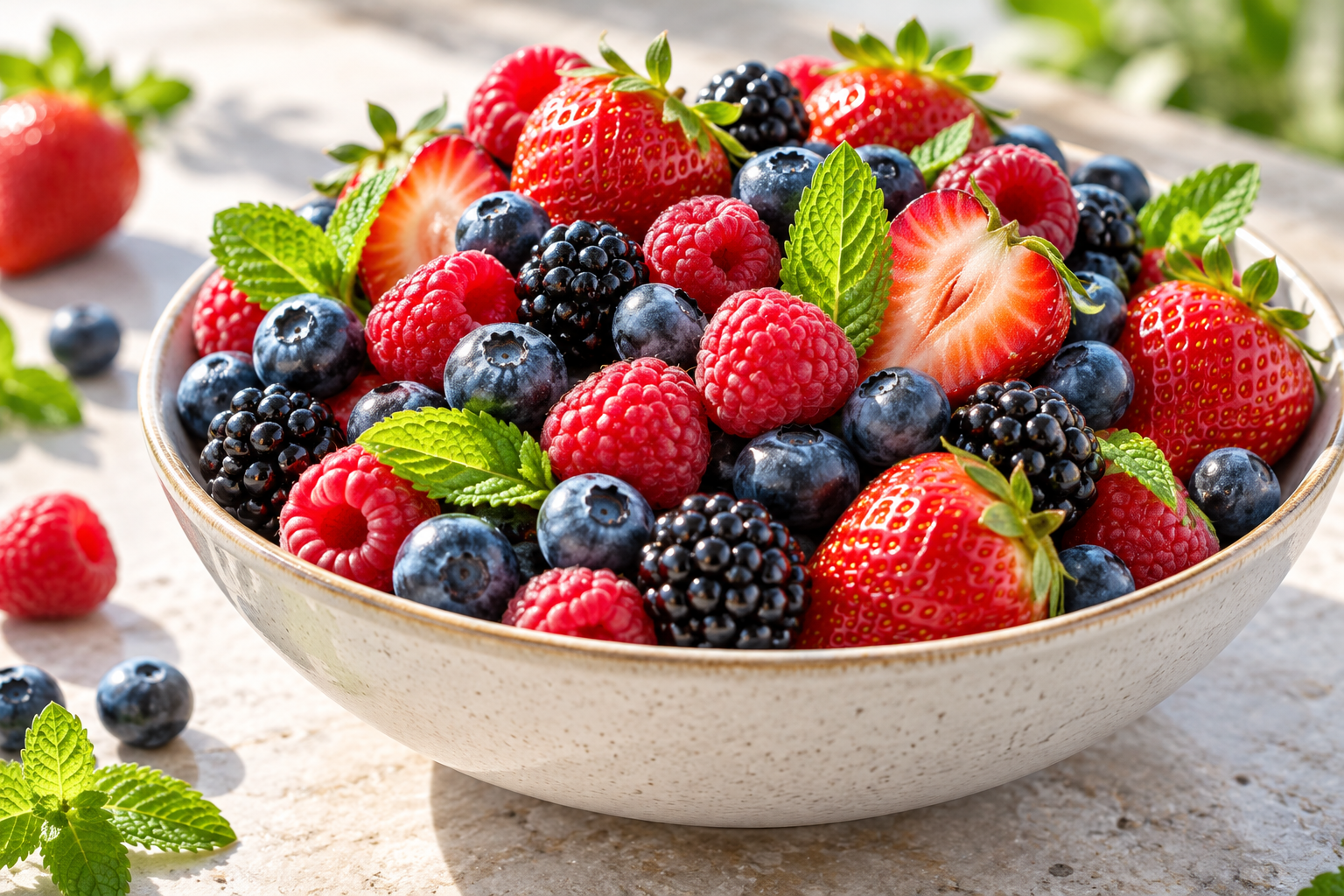
Berries make healthy eating feel far less like a chore. Blueberries, raspberries, strawberries, and blackberries add colour, fibre, and natural sweetness to breakfast, yogurt, or a simple snack.
They are rich in a range of plant compounds, but there is no need to hunt for one “best” berry. Mix what is affordable and available—fresh or frozen—and let variety do the work.
5. Beans and Lentils: The Protein Swap That Pays Off
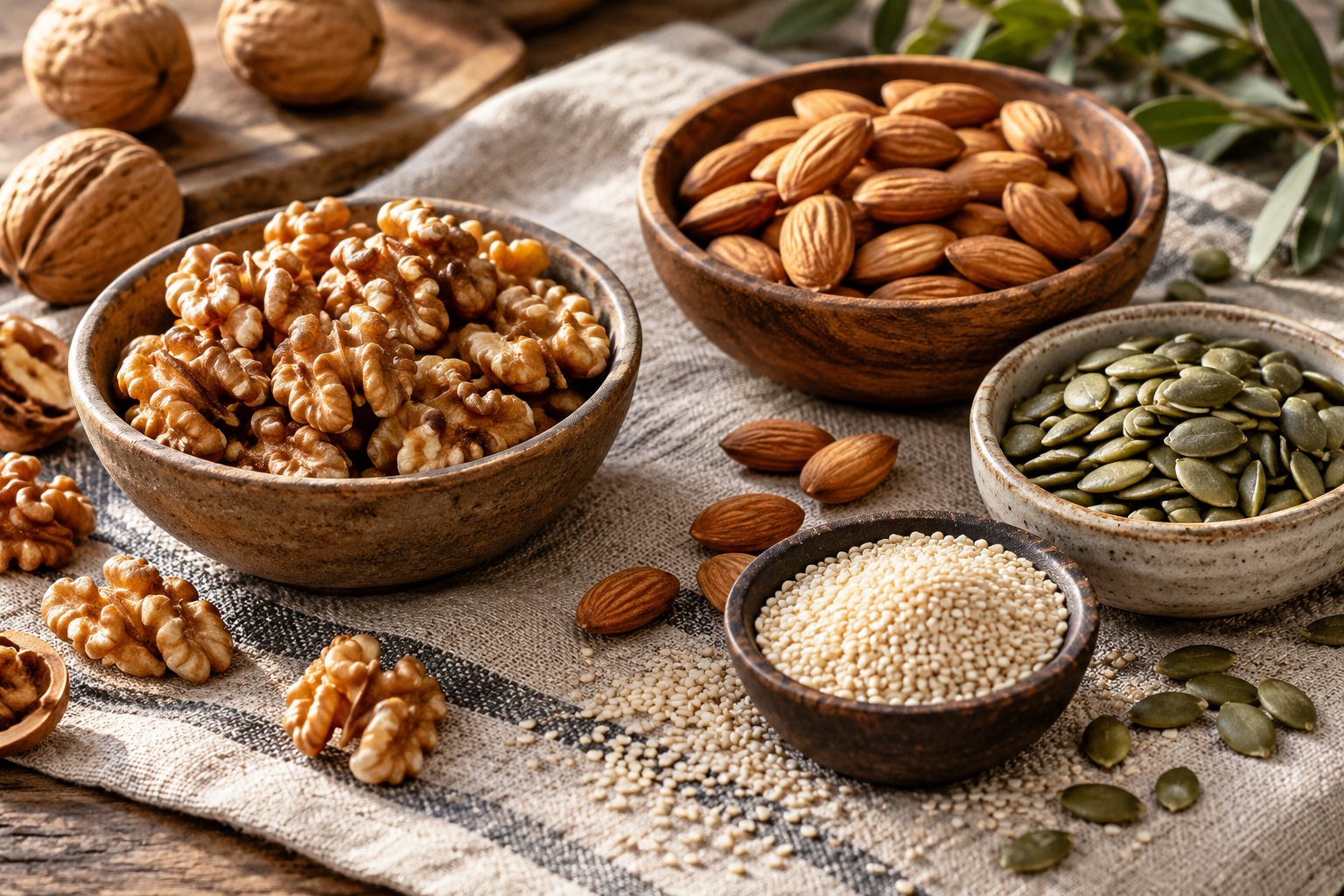
Beans, lentils, chickpeas, and soy foods deliver fibre and protein without relying on red or processed meat. They are filling, versatile, and especially useful for building meals around plants rather than simply adding a side salad.
Start with one familiar swap: lentils in soup, black beans in tacos, or chickpeas in a grain bowl. No single pulse can control prostate disease, but eating more fibre-rich plant foods is a practical long-term habit.
6. Nuts and Seeds: A Handful With Real Staying Power
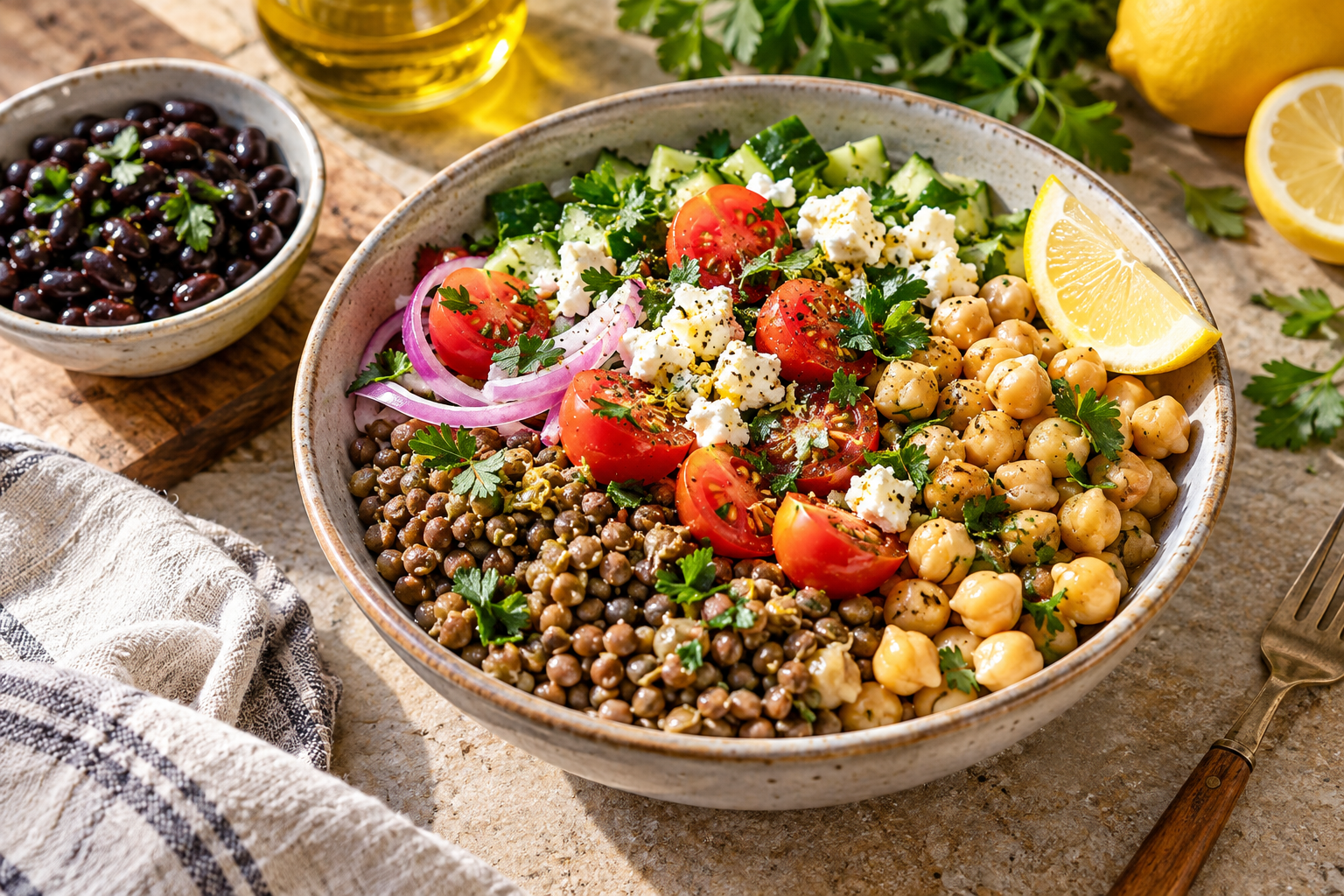
Walnuts, almonds, pumpkin seeds, and sesame seeds add crunch along with unsaturated fats, protein, and minerals. A small handful can make a snack more satisfying or turn oatmeal and salads into a real meal.
Choose unsalted or lightly salted varieties most of the time, especially if you are watching blood pressure. Portion matters because nuts and seeds are calorie-dense, but they are an excellent replacement for highly processed snacks.
Advertisements
7. Mushrooms: The Umami Upgrade
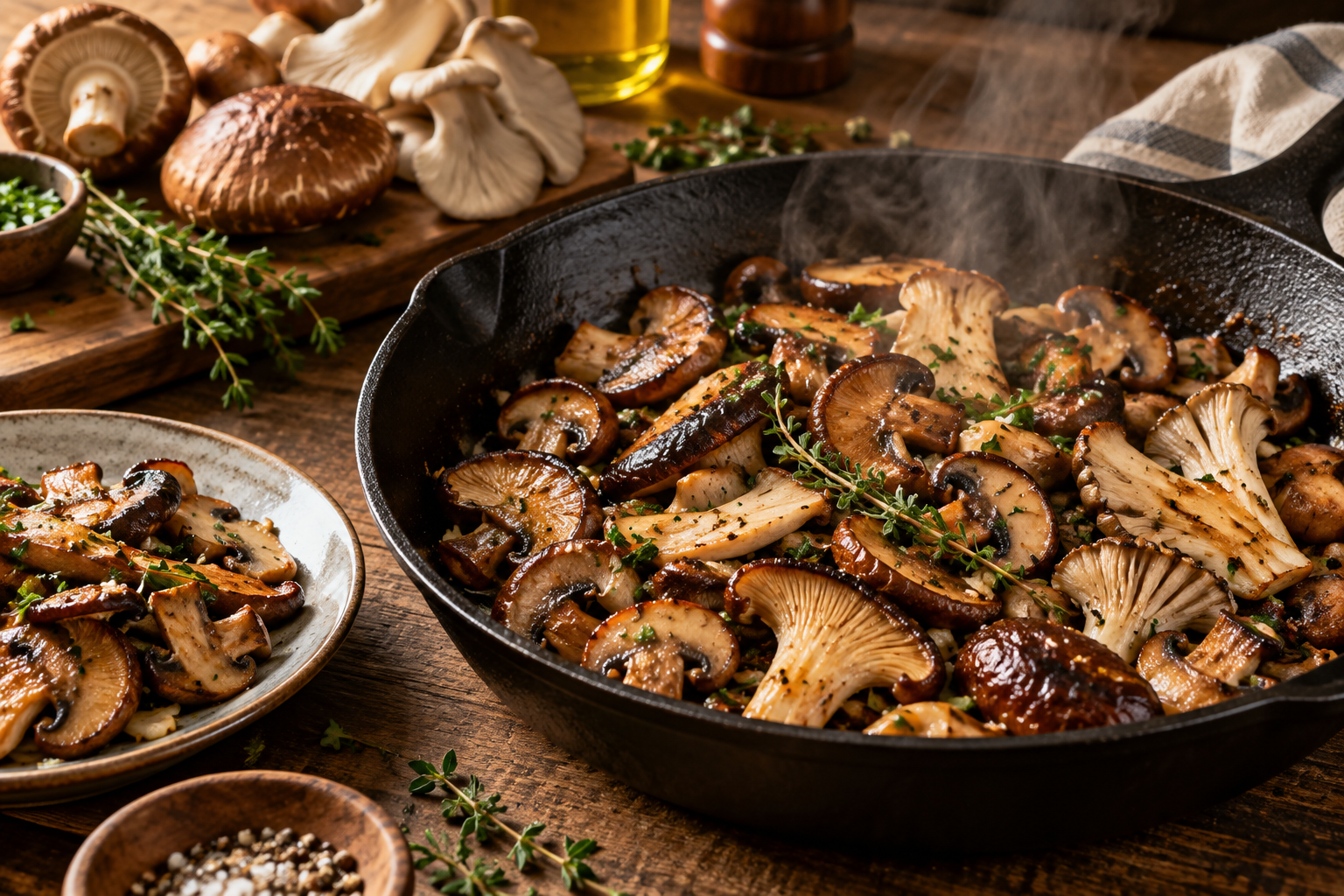
Mushrooms bring a hearty, savoury flavour that makes plant-forward meals feel complete. Try cremini, shiitake, oyster, or button mushrooms in stir-fries, omelets, grain bowls, and pasta sauces.
They are being studied for several health-related compounds, but the strongest reason to keep them around is simpler: they help you build satisfying meals with more vegetables and less processed meat.
8. Green Tea: A Simple Daily Ritual
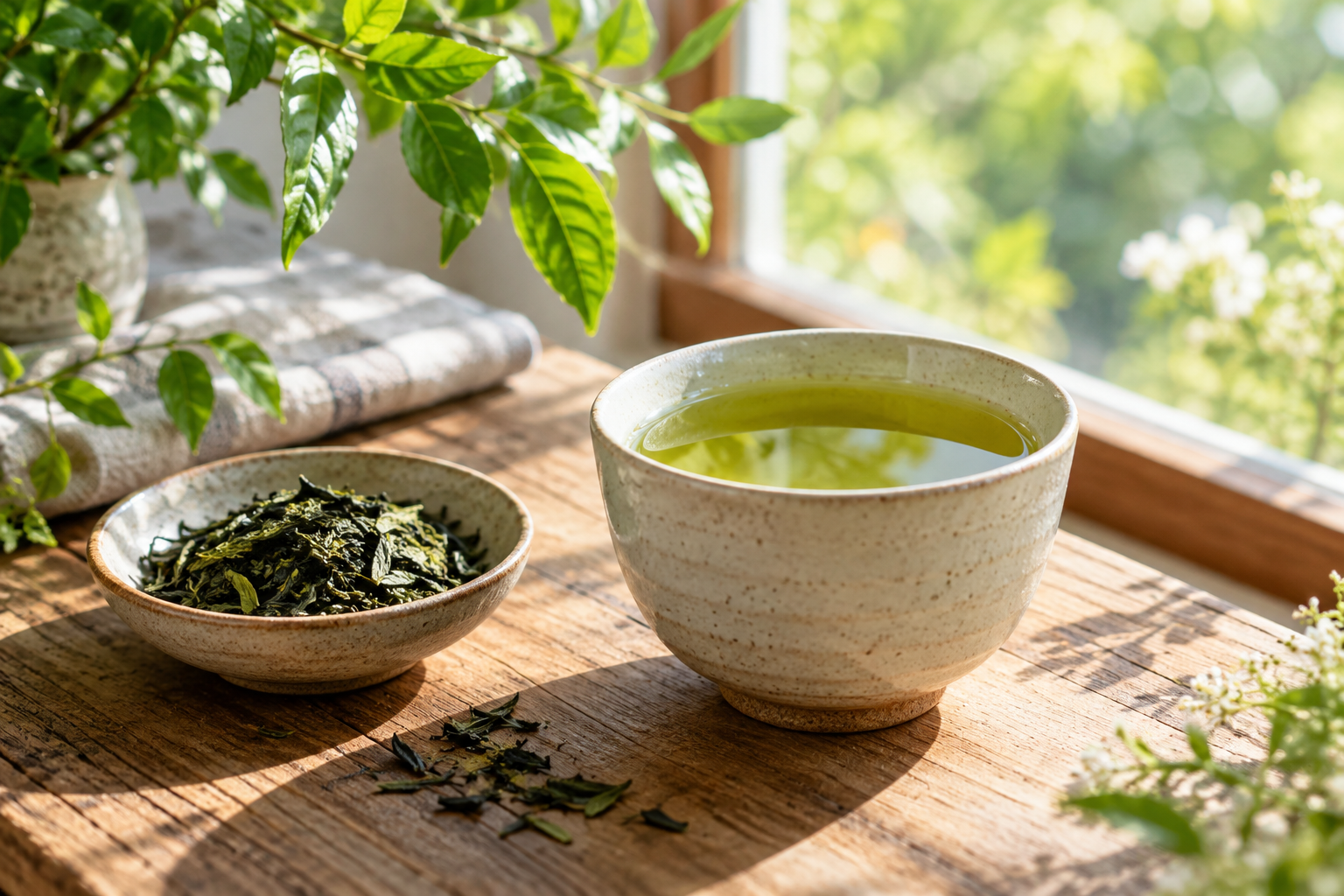
Green tea is often mentioned in conversations about prostate health because of its natural plant compounds. The evidence on individual foods and drinks remains mixed, so it should be enjoyed as a beverage—not treated as a preventive medicine.
If you like it, replace a sugary drink with a cup of green tea. Choose decaffeinated tea later in the day if caffeine worsens urinary frequency, sleep, anxiety, or heartburn.
9. Olive Oil: Make the Fat on Your Plate Count
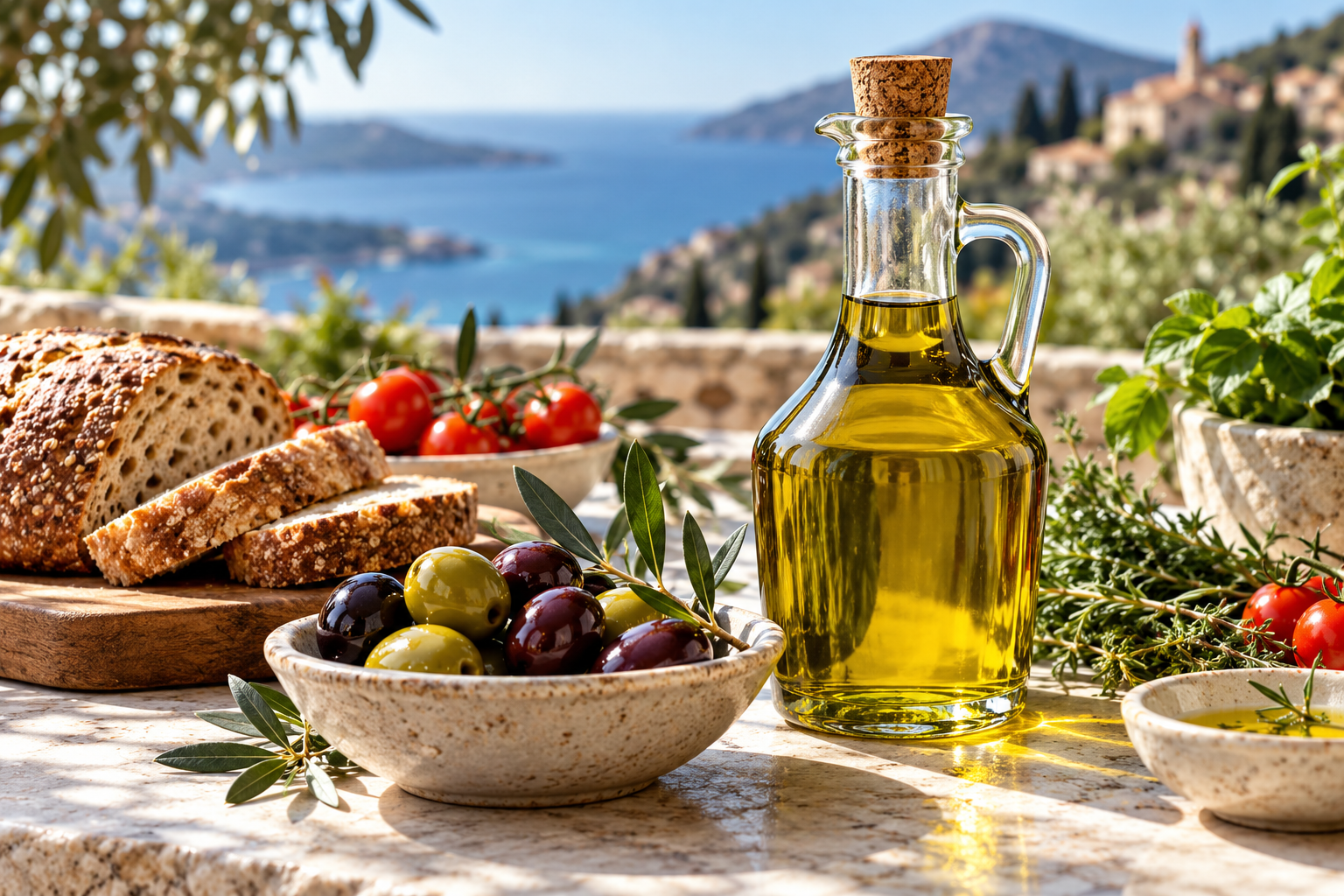
Extra-virgin olive oil is an easy way to add flavour while emphasizing unsaturated fat. Use it for roasting vegetables, dressing a salad, or finishing beans, fish, and whole grains.
The benefit is the bigger swap: use it in place of butter, heavy cream sauces, or highly processed fats more often. A healthy eating pattern is built from these small, repeatable choices rather than from a single “superfood.”
10. Pomegranate: Bright, Tart, and Best Eaten Whole
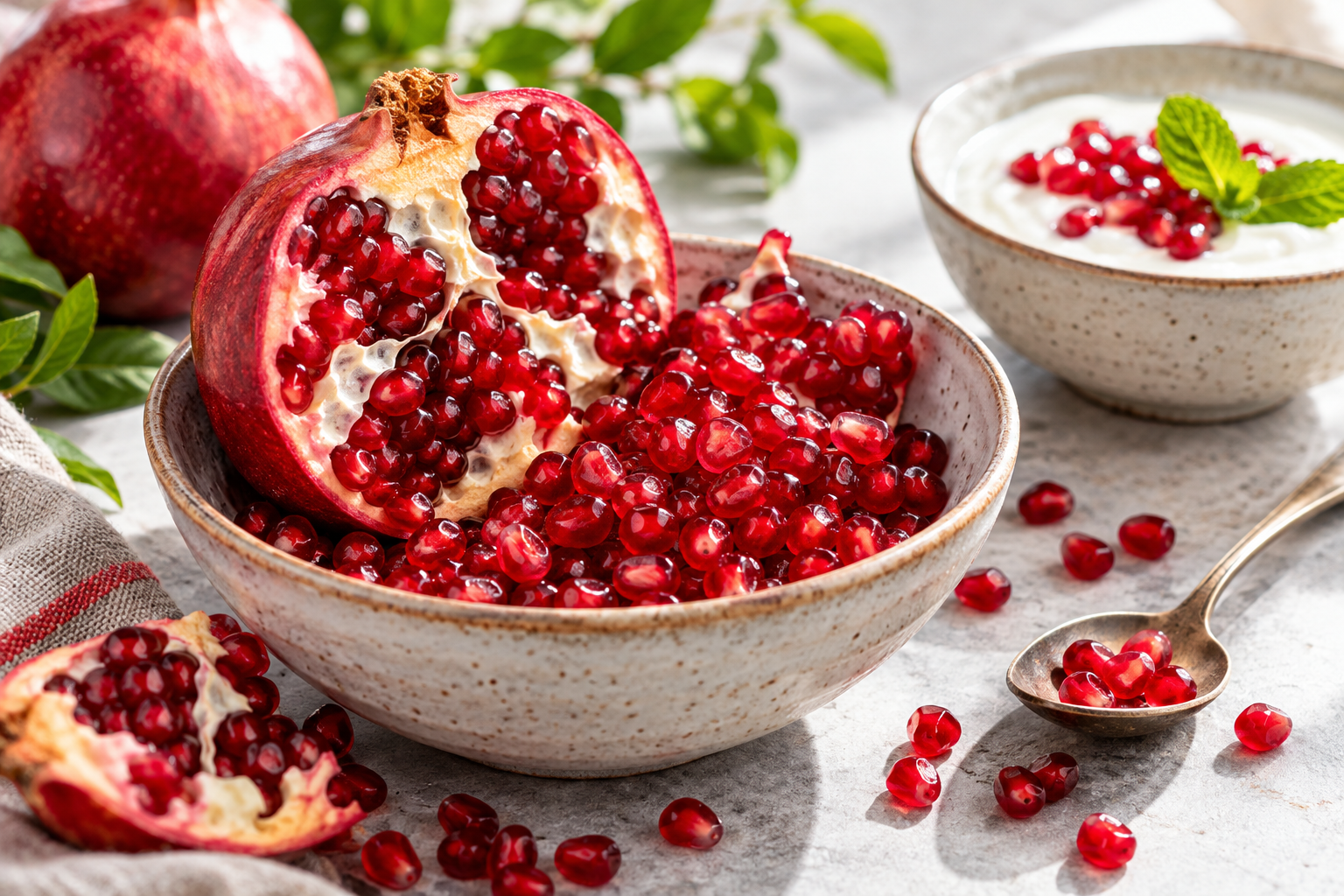
Pomegranate seeds add a bright, tart crunch to yogurt, salads, and grain bowls. They offer fibre when eaten whole, which makes them a better everyday option than relying on sweetened juice.
Pomegranate is one of several foods studied in prostate-cancer research, but results are not strong enough to make promises. Enjoy the fruit for colour and flavour, and ask a pharmacist about possible interactions if you take regular medication.
11. Whole Grains: The Quiet Foundation of Better Meals
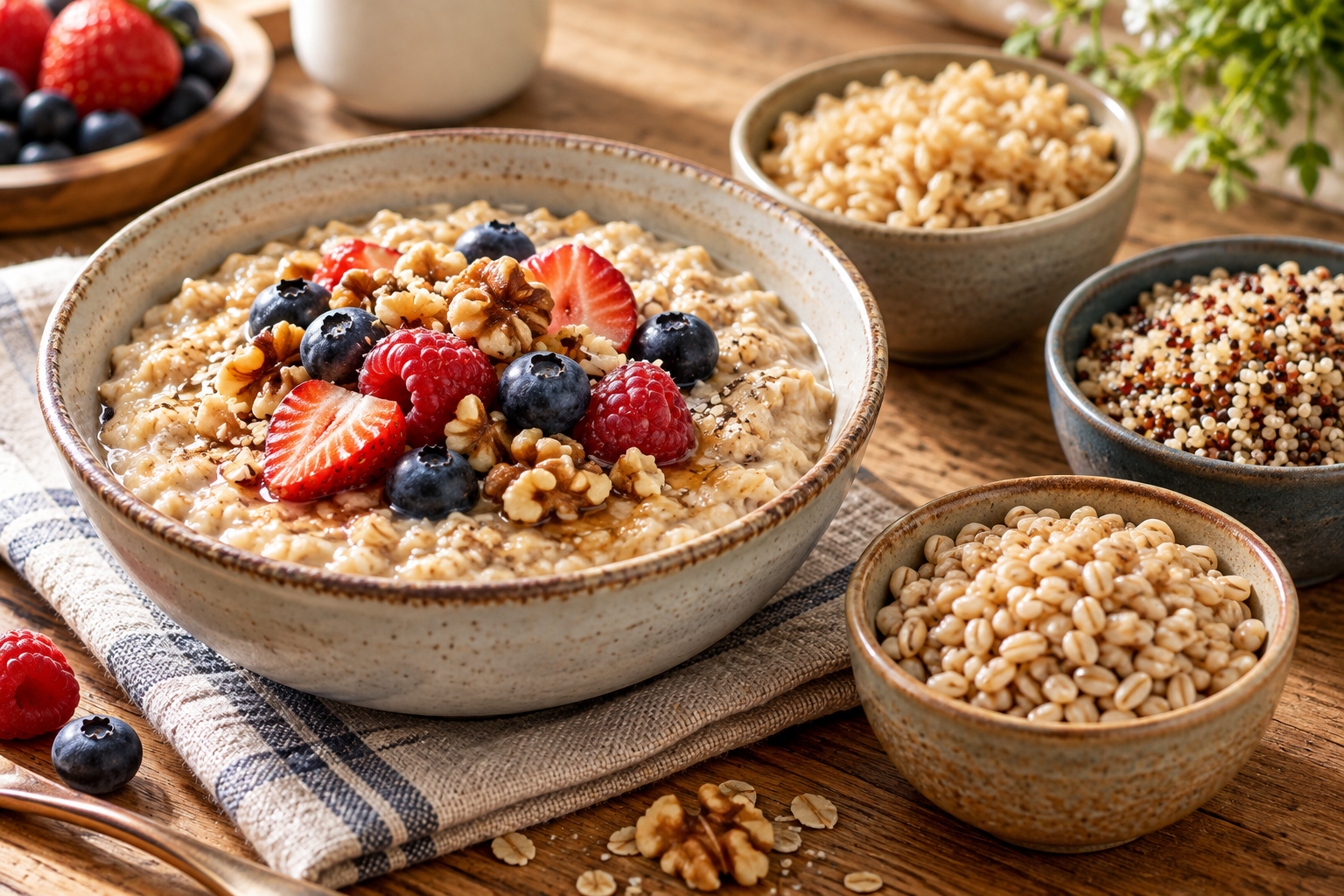
Oats, barley, brown rice, quinoa, and whole-grain bread make meals more filling and add fibre that refined grains often lack. They are not flashy, but they make the rest of a healthy eating pattern easier to sustain.
Start where it feels easiest: oatmeal for breakfast, brown rice with dinner, or whole-grain toast with eggs and vegetables. Small swaps repeated all week beat a dramatic plan that never becomes routine.
12. Garlic: More Flavour, Less Need for Heavy Sauces
Advertisements
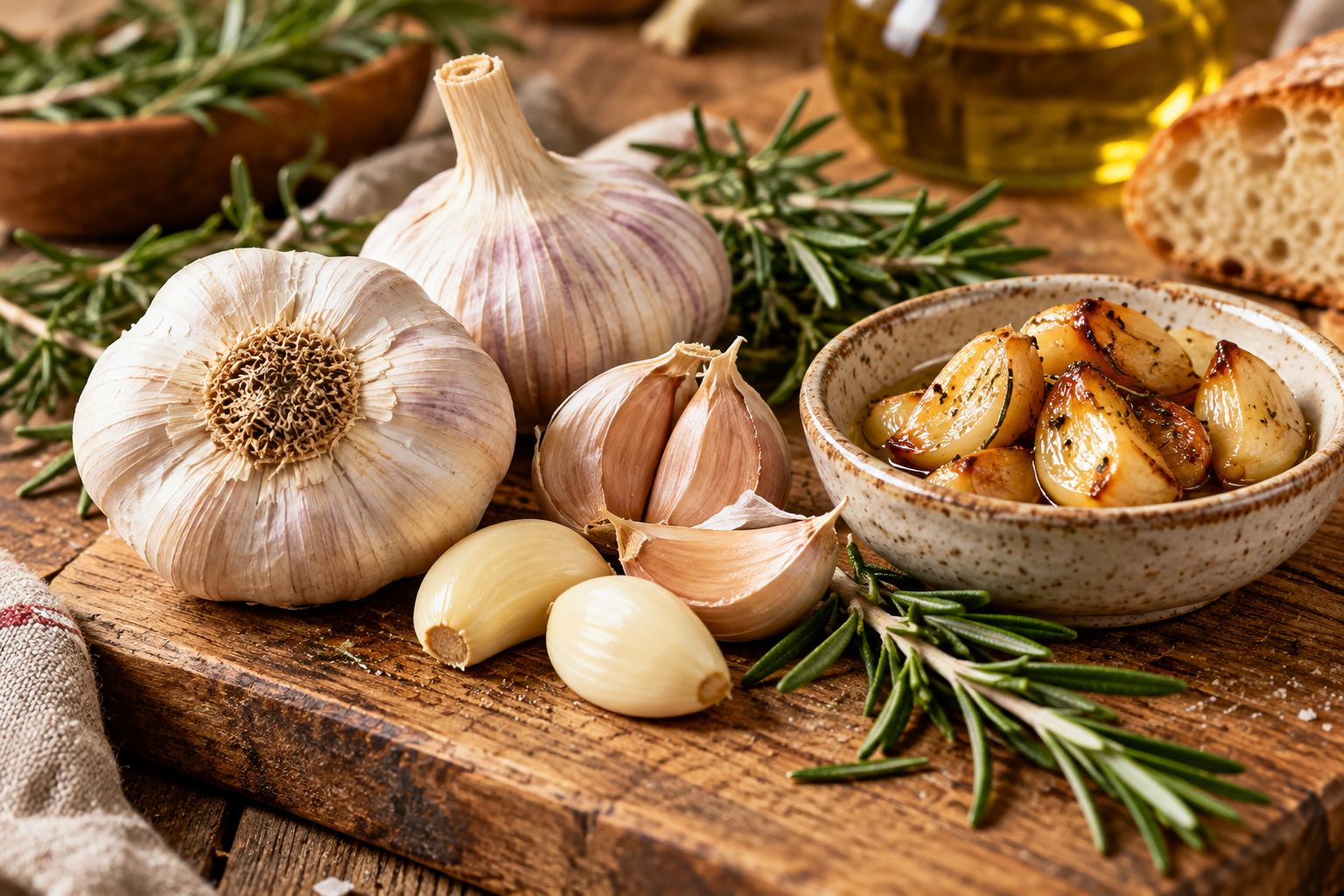
Garlic gives vegetables, beans, mushrooms, and fish more depth without adding much sodium. That makes it one of the simplest ways to make a healthier meal taste like something you actually want again.
Fresh garlic contains plant compounds that are being studied, but it is not a prostate remedy. Use it generously in food, and avoid high-dose garlic supplements unless your clinician says they are appropriate—especially if you take blood-thinning medication.
When Food Is Not Enough
Diet can support overall health, but it cannot diagnose an enlarged prostate, infection, or cancer. Seek medical care promptly for blood in the urine, fever with painful or urgent urination, severe lower-abdominal pain, or an inability to urinate. Also discuss persistent weak stream, nighttime urination, trouble emptying the bladder, or pain with a healthcare professional.
This article is for general education only and does not replace individualized medical advice from a doctor, urologist, or registered dietitian.


Comments