
The refrigerator is essential for perishables, but it is not the best first stop for everything. Some everyday ingredients keep better flavor, texture, or ripening potential in a cupboard or on the counter—while eggs are the important exception that depends on how and where they were sold.
1. Potatoes Prefer a Cool, Dark Cupboard
Sponsored Links
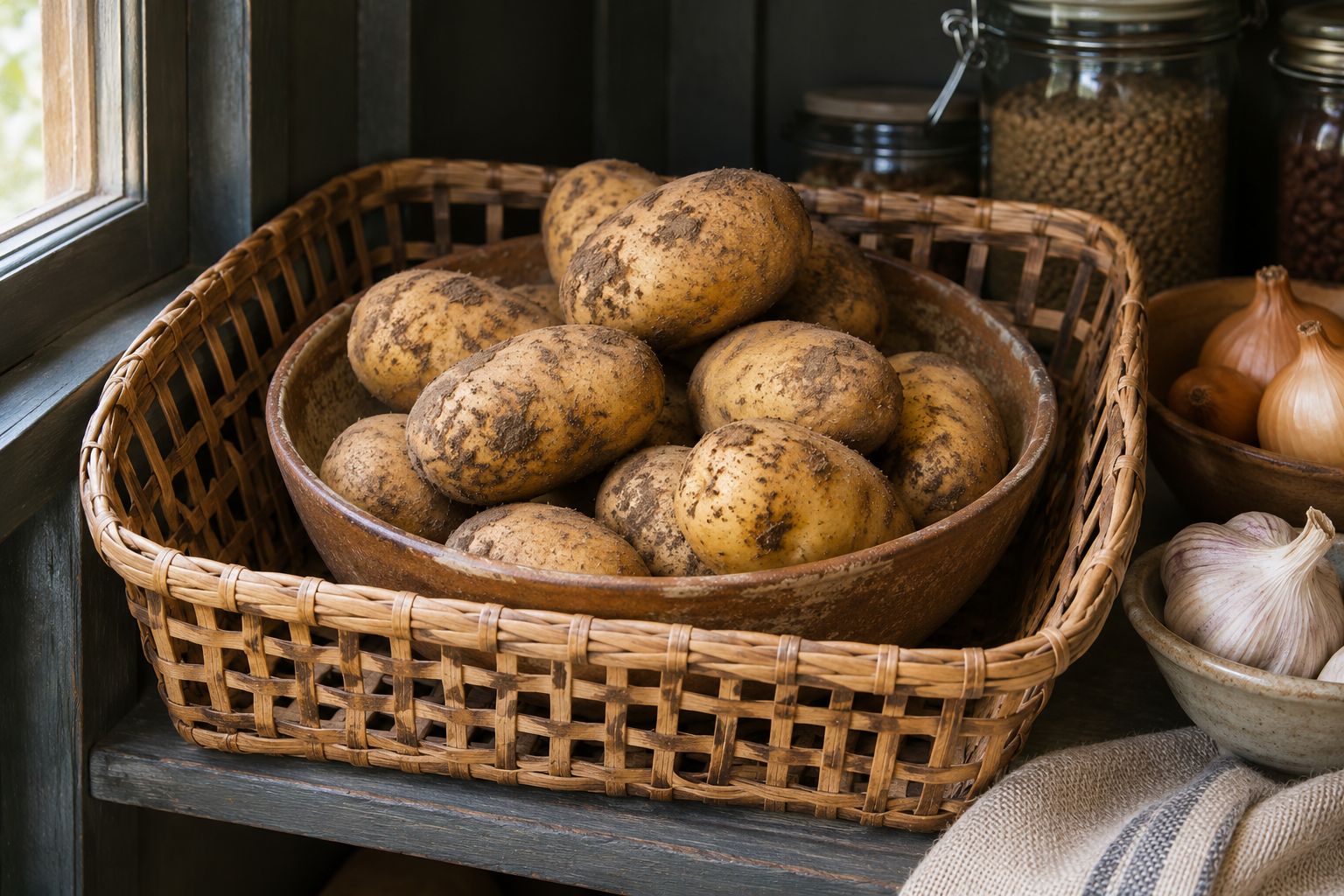
Whole potatoes do best in a cool, dark, dry place with some airflow. The cold of a typical refrigerator can change their texture and make their flavor noticeably sweeter after cooking. A breathable basket, paper bag, or open bin in a cupboard away from heat is a better everyday choice.
Keep potatoes out of sunlight, which can turn parts of the skin green, and do not pile them in with onions. Check the bag every few days and use any soft, sprouting, or damaged potatoes first. Once cooked, potato dishes belong in the refrigerator.
2. Bananas Need the Counter Until They Are Ripe
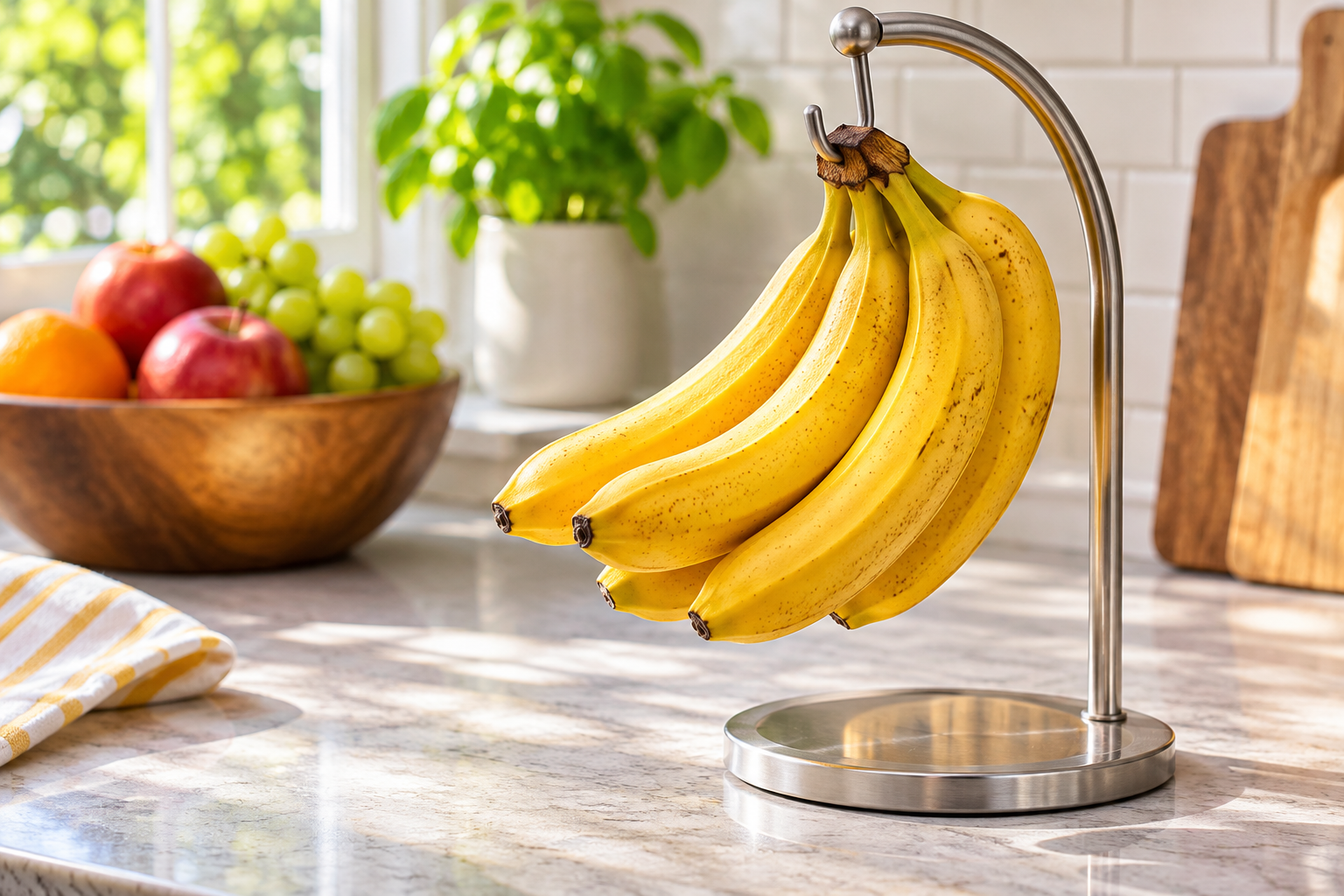
Bananas are tropical fruit, so the refrigerator can darken their peels and interrupt ripening when they are still green or only partly yellow. Leave them on the counter until they reach the texture you like. Hanging them or placing them in a bowl helps prevent bruising.
Once bananas are fully ripe, the refrigerator becomes useful for slowing them down for a few days. The peel may brown, but the fruit inside can still be perfectly good. If they are already very soft, peel and freeze them for smoothies, banana bread, or baking.
3. Whole Melons Can Wait Until You Cut Them
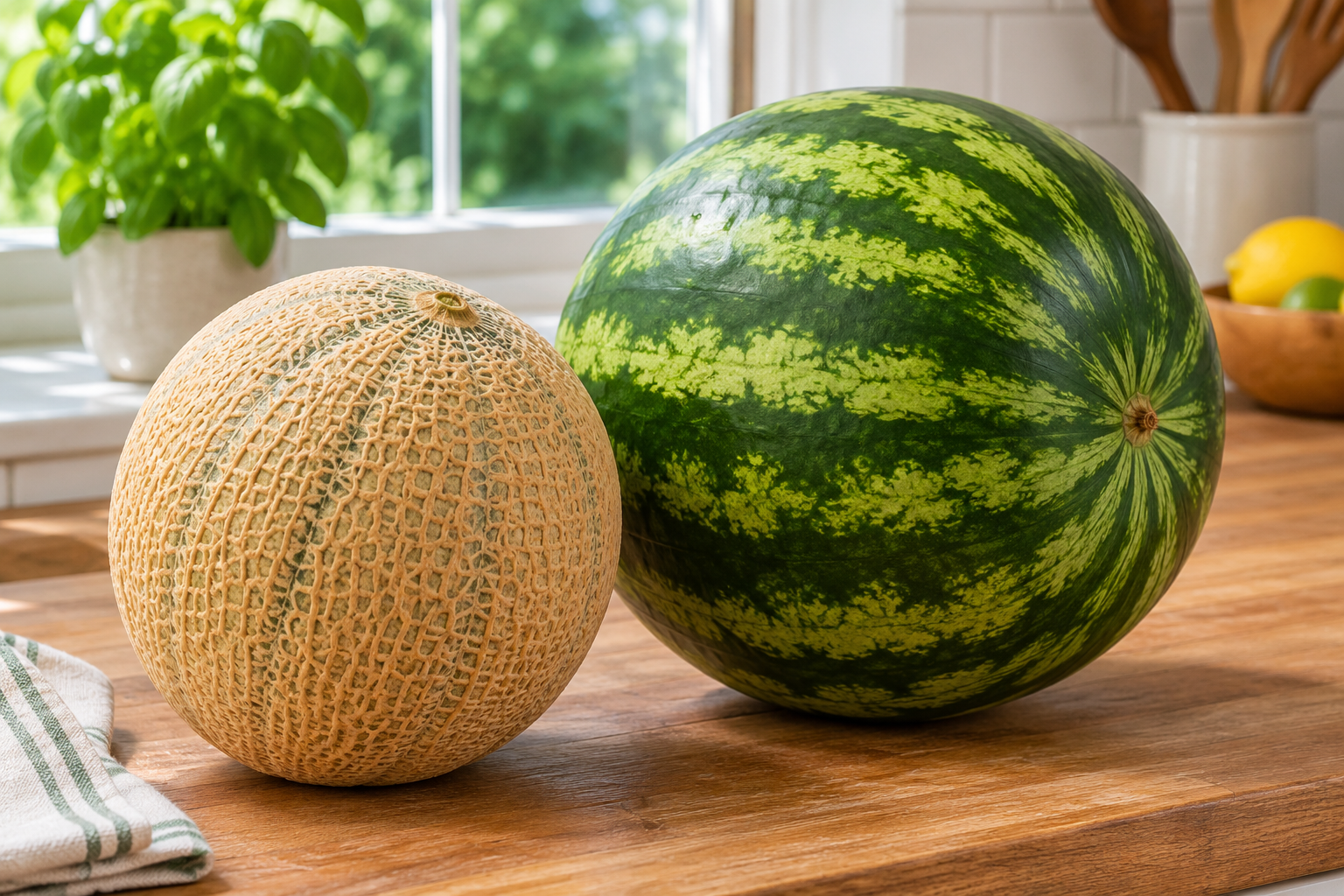
An intact melon has a protective rind, so it does not need refrigerator space simply because it is large. Keeping it on the counter also makes it easier to notice when its aroma and give suggest it is ready to eat. Before cutting, wash and scrub the rind under running water so surface dirt is not carried into the flesh.
The rule changes as soon as the knife goes in. Cut melon is perishable and should be covered and refrigerated promptly. For a picnic or buffet, do not leave cut melon at room temperature for more than two hours—or one hour on a very hot day.
4. Basil Hates the Cold
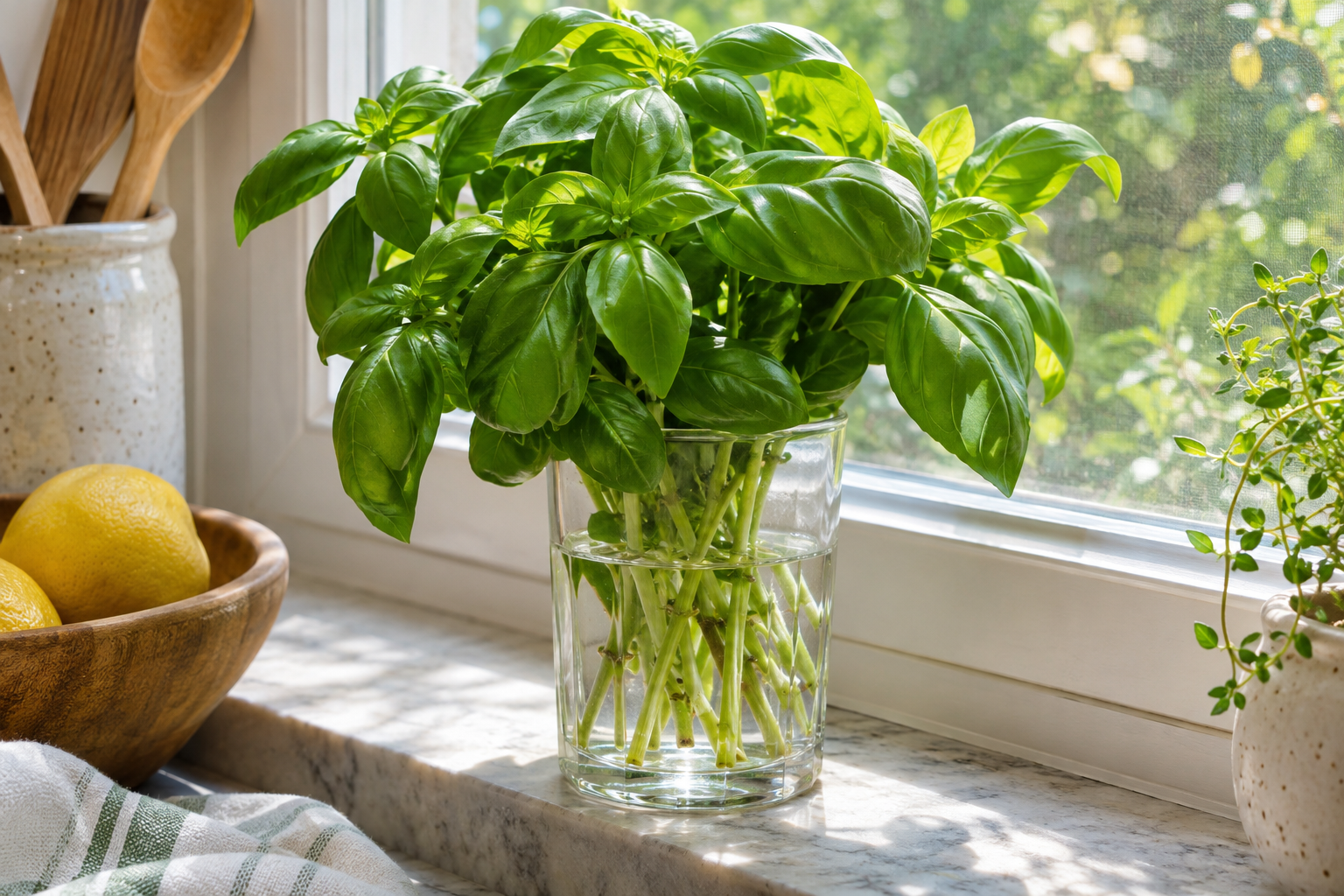
Basil is the tender exception among common herbs. Refrigerator air can quickly leave the leaves dark, limp, and far less fragrant. Instead, trim the stems and stand the bunch in a small glass of water, much like a bunch of flowers, on the counter out of harsh direct sun.
Change the water every day or two and use the leaves while they are bright and aromatic. If you have more basil than you can use, turn it into pesto or freeze the leaves in a little oil. Parsley, chives, and cilantro have different storage needs, so do not treat every herb the same way.
5. Whole Onions Need Dry Air, Not a Crisper Drawer
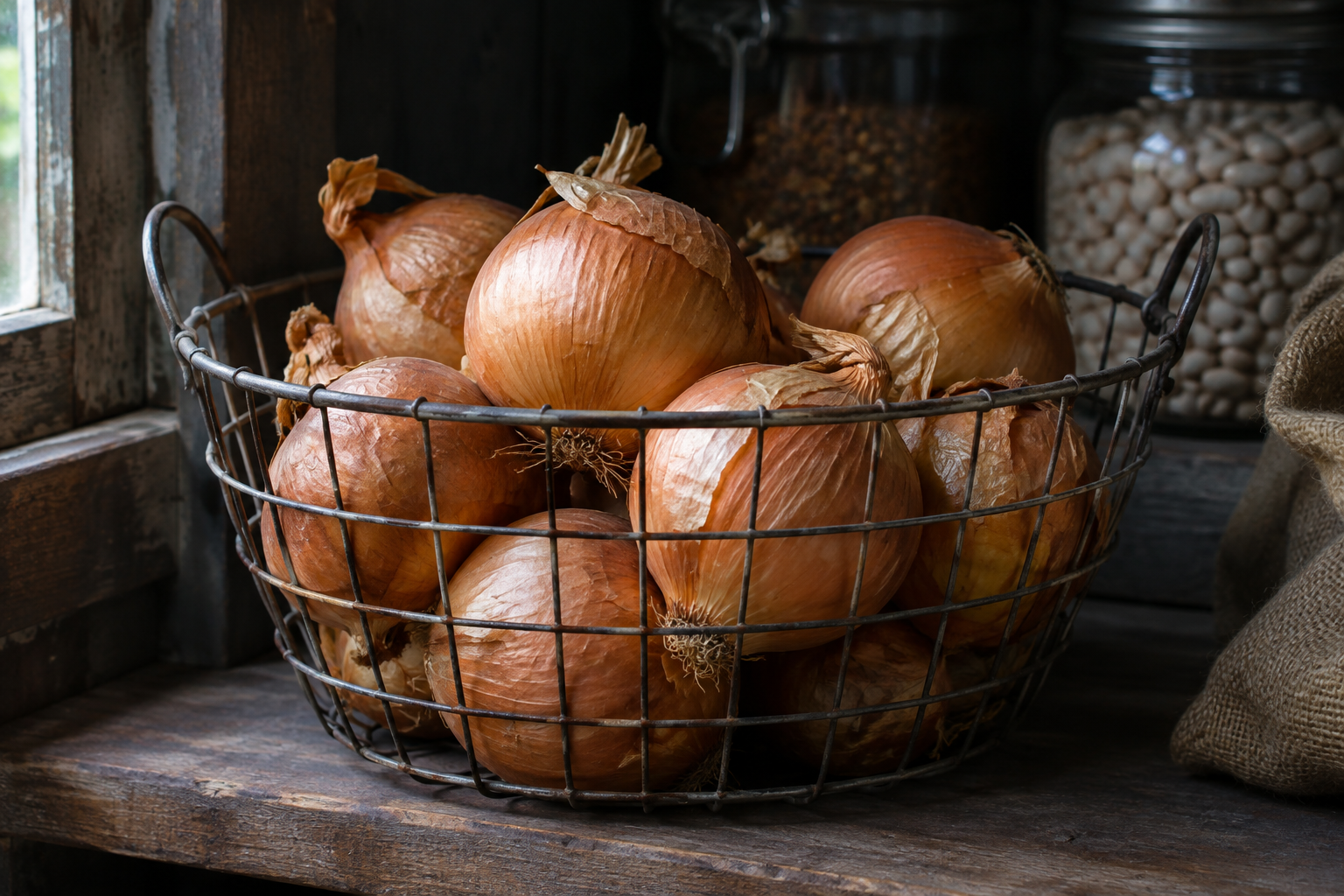
Whole, unpeeled onions last best in a cool, dark place with generous airflow. Their papery skins are designed to protect them, while the humid conditions inside a crisper drawer can make them soft or moldy sooner. An open basket, mesh bag, or ventilated pantry bin works well.
Keep whole onions separate from potatoes, since both can shorten the other’s shelf life. Sweet onions are more delicate, so buy them in smaller quantities. Once an onion is cut or peeled, seal it in a container and refrigerate it rather than leaving it on the counter.
6. Bread Stays Better on the Counter—Then in the Freezer
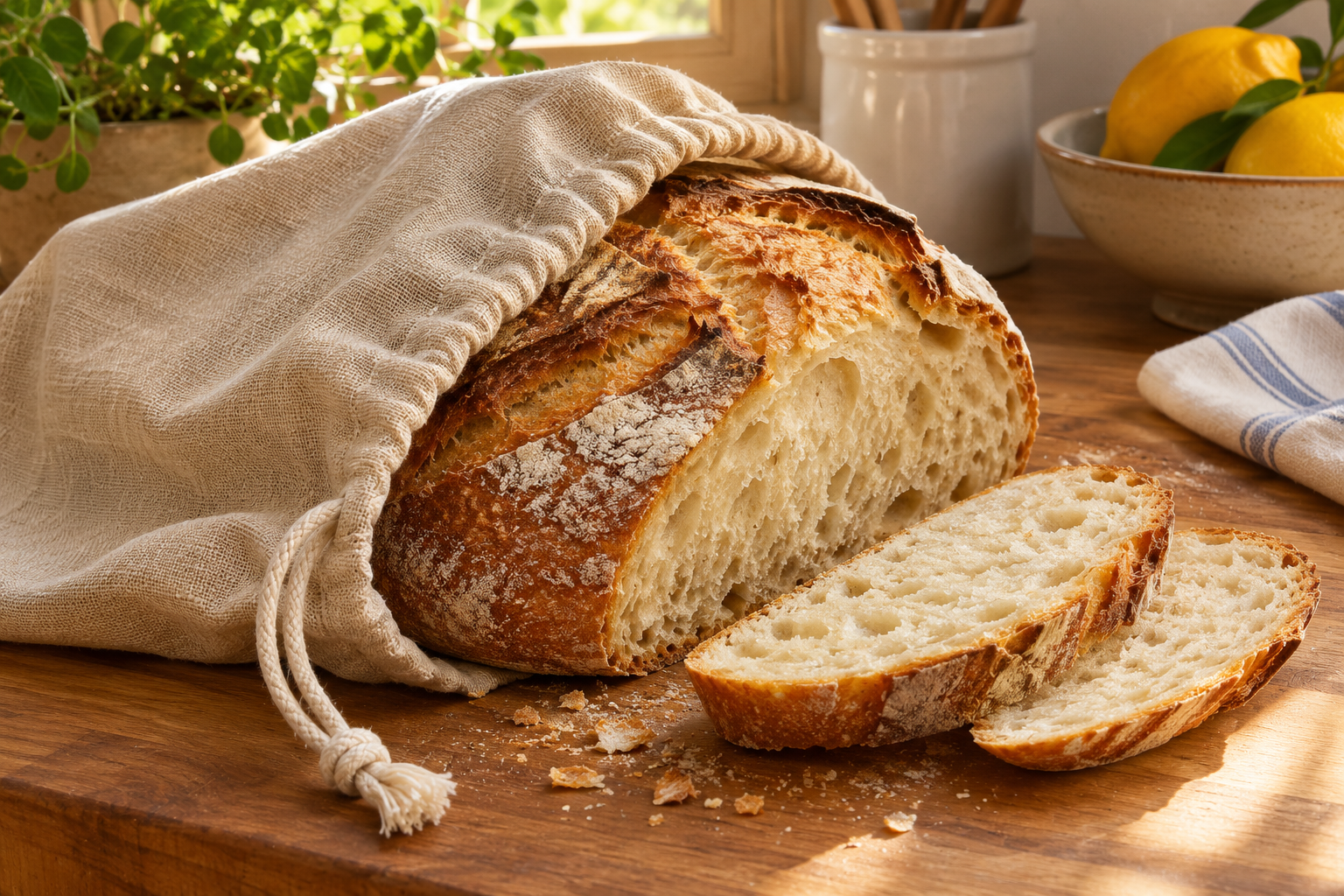
The refrigerator often makes bread seem stale sooner, leaving a once-soft loaf dry and firm. For a loaf you plan to finish within a few days, keep it at room temperature in its bag, a bread box, or a breathable bread bag. The goal is to protect it without trapping excess moisture.
For longer storage, slice the loaf and freeze it instead. You can take out only what you need and toast it straight from frozen. If bread develops visible mold, discard the entire loaf rather than cutting away one affected corner.
Advertisements
7. Honey Is Happier in the Pantry
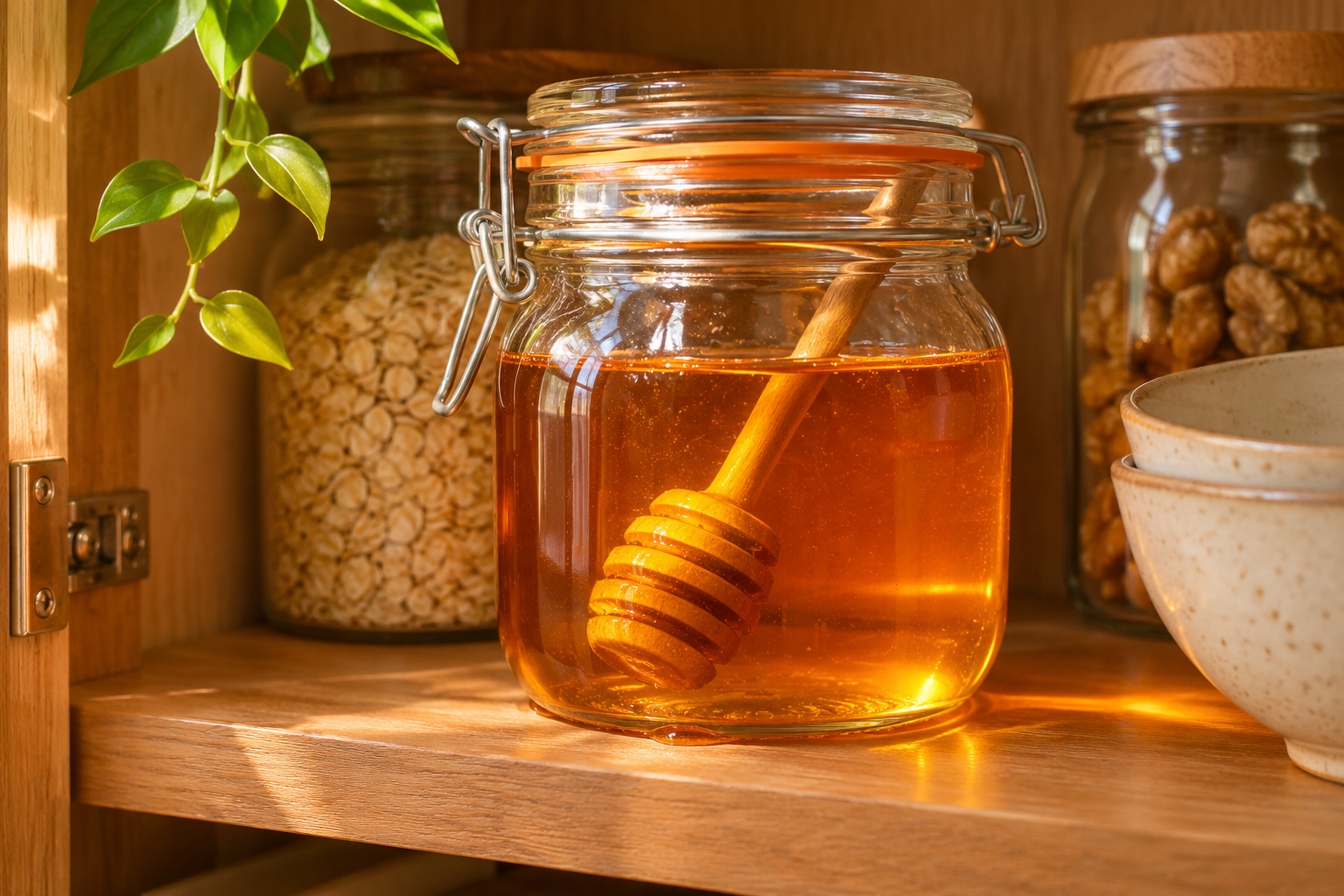
Honey does not need refrigeration. Cold temperatures encourage it to crystallize, which can turn a smooth jar grainy and difficult to pour. A sealed jar in a room-temperature cupboard is the simplest way to keep it easy to use.
Crystallized honey is not spoiled; it is simply changing texture. Set the closed jar in warm water and stir gently once it loosens. Keep water and crumbs out of the jar, use a clean spoon, and remember that honey should never be given to babies under one year old.
8. Avocados Need Time Before They Need Cold
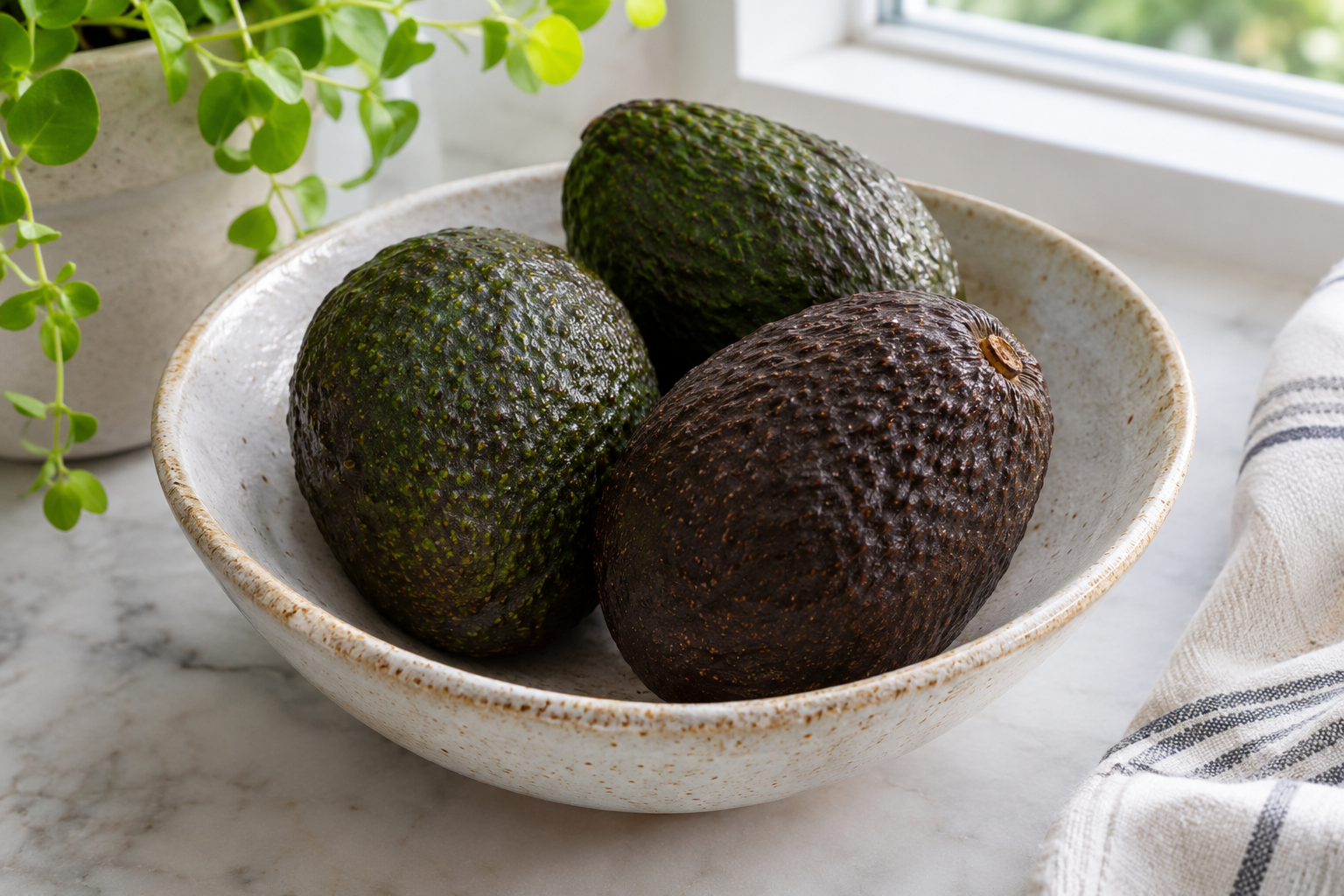
A hard avocado will not improve much in the refrigerator. Leave it at room temperature until it yields slightly to gentle pressure near the stem end. If you want to speed up ripening, place it in a paper bag with a banana or apple for a day or two.
Once ripe, move the whole avocado into the refrigerator to hold it at that stage for several more days. If you have cut one open, cover the surface tightly and refrigerate it. A little lemon or lime juice can help reduce browning, but it does not replace cold storage.
9. Tomatoes Keep More Personality on the Counter
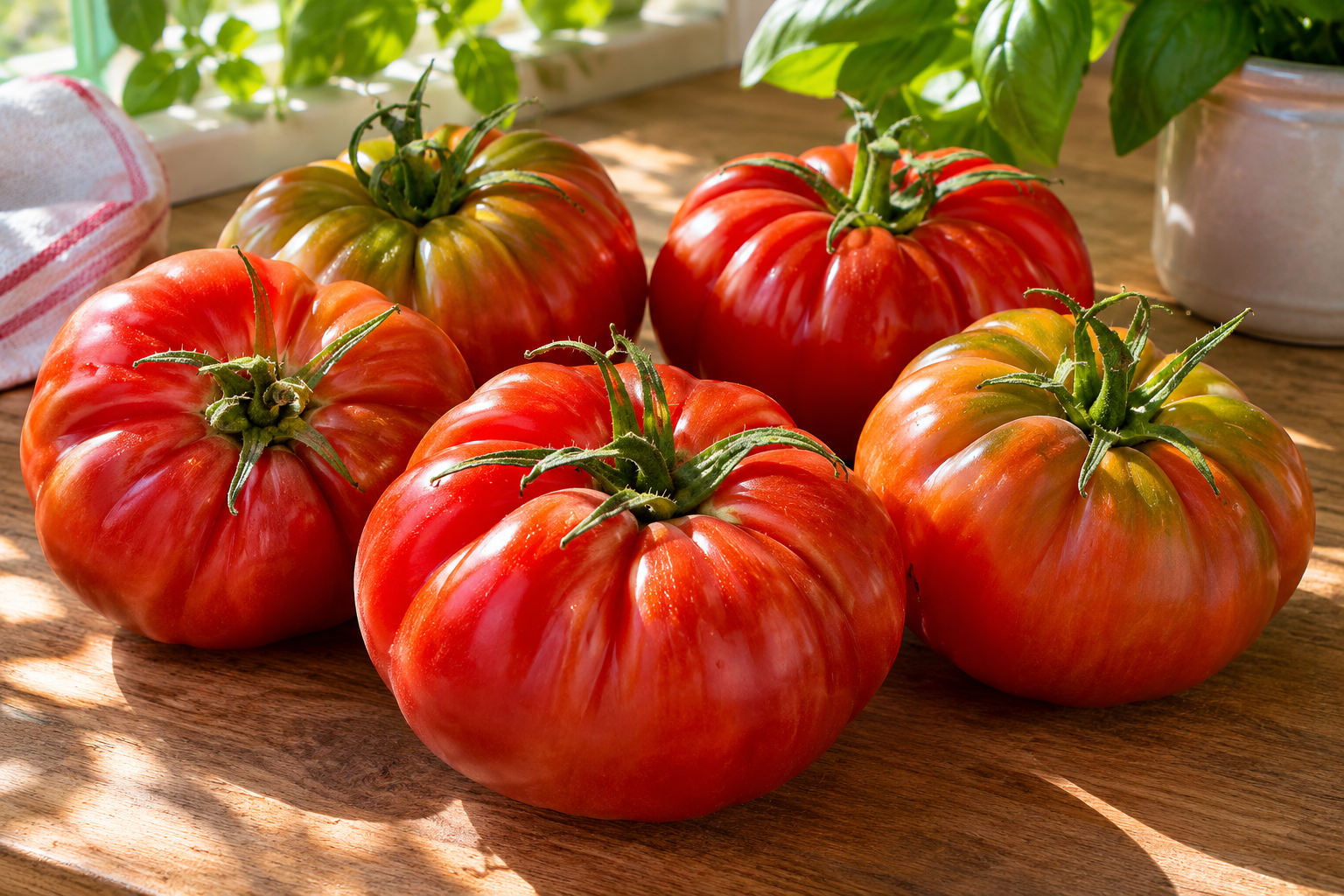
Whole tomatoes are usually most flavorful when held at room temperature, out of direct sun. The cold can mute their aroma and leave the flesh mealy. Set them stem-side down on the counter and enjoy them while they are fragrant and give slightly when pressed.
If a tomato is about to pass its best, a short stay in the refrigerator can buy you a little time. Bring it back toward room temperature before eating for better flavor. Cut tomatoes, however, should be covered and refrigerated promptly.
10. Whole Winter Squash Was Made for the Pantry
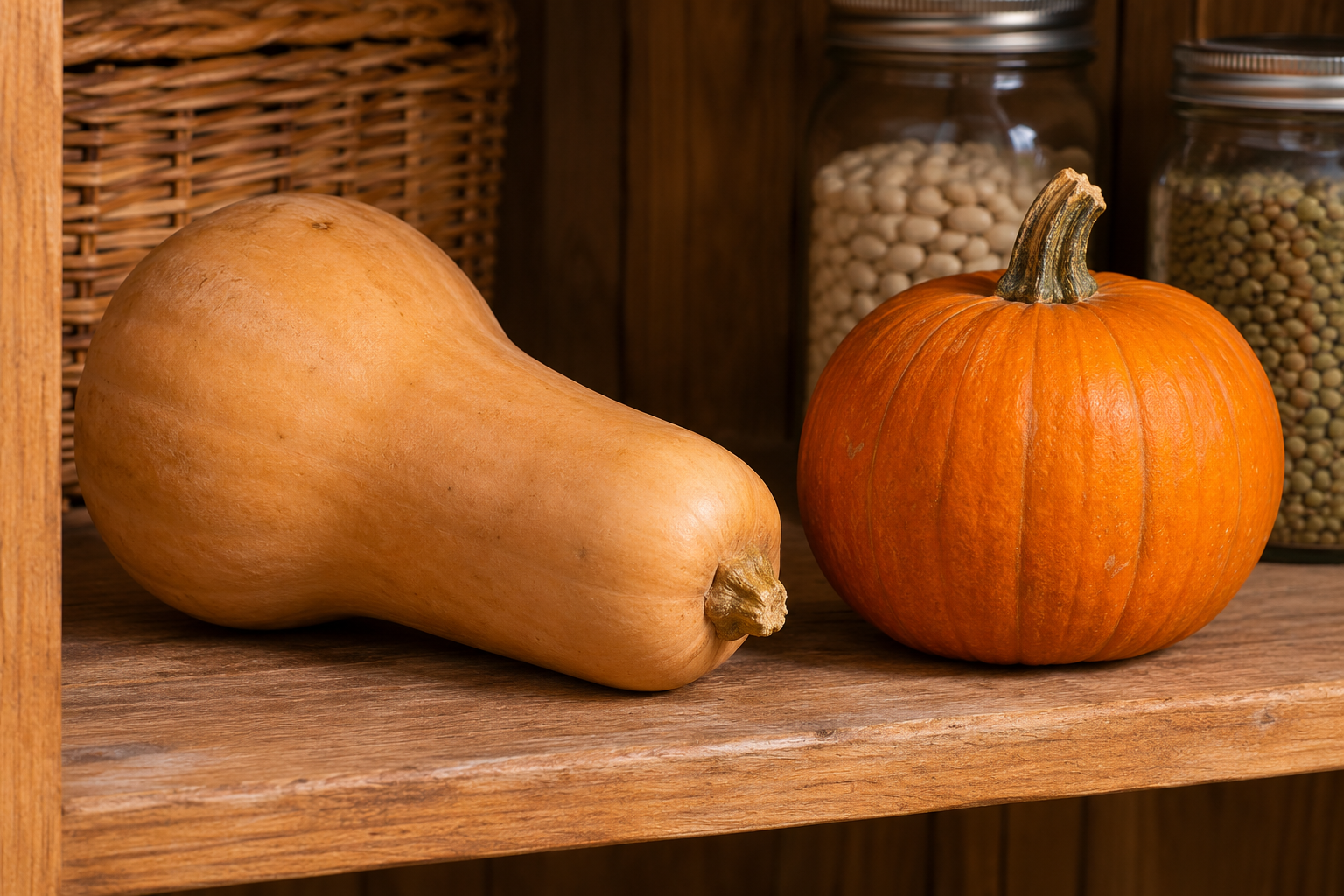
Butternut squash, pumpkin, and other hard-skinned winter squash are built for cool, dry storage. Keep whole, unblemished squash on a shelf or in a cool cupboard with a little air around each one. Avoid damp spots, direct sunlight, and cold concrete floors.
Inspect the rind from time to time and use any squash with soft spots first. Once you cut into it, the protective skin is gone: wrap the pieces tightly and refrigerate them. Roasting and freezing extra cubes is a handy way to avoid waste.
11. Tropical Fruit Should Warm Up First
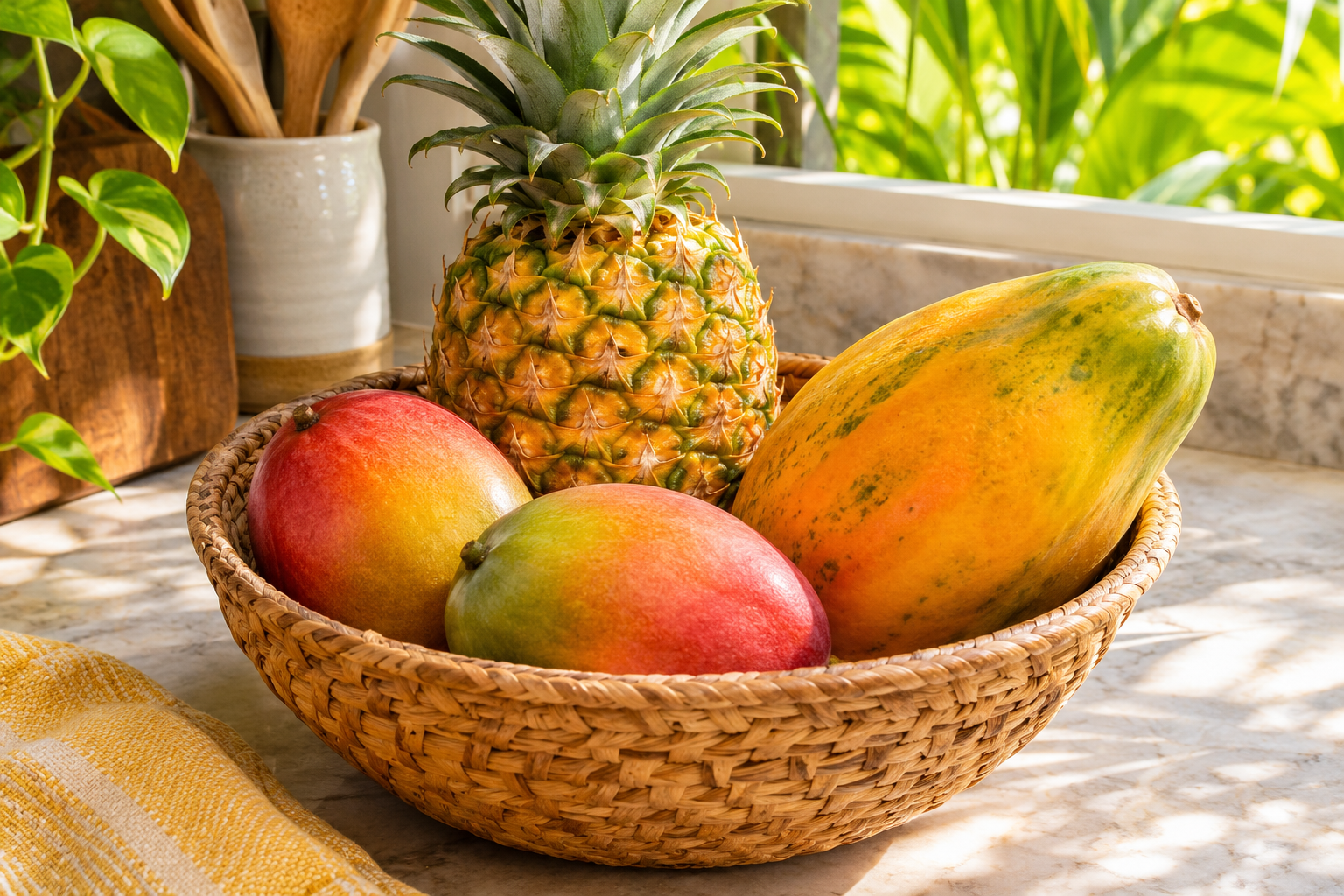
Mangoes and papayas need counter time to ripen properly, while a whole pineapple is often at its best when enjoyed soon after purchase rather than chilled for days. Keep tropical fruit out of direct sun and check it daily. A sweet scent and slight give usually mean it is ready.
When mangoes or papayas are ripe, the refrigerator can slow them down briefly. Once any tropical fruit is cut, cover it and refrigerate it without delay. The counter is for intact fruit; cold storage is for preserving fruit that is ripe, opened, or prepared.
12. Eggs: Follow the Way They Were Sold
Advertisements
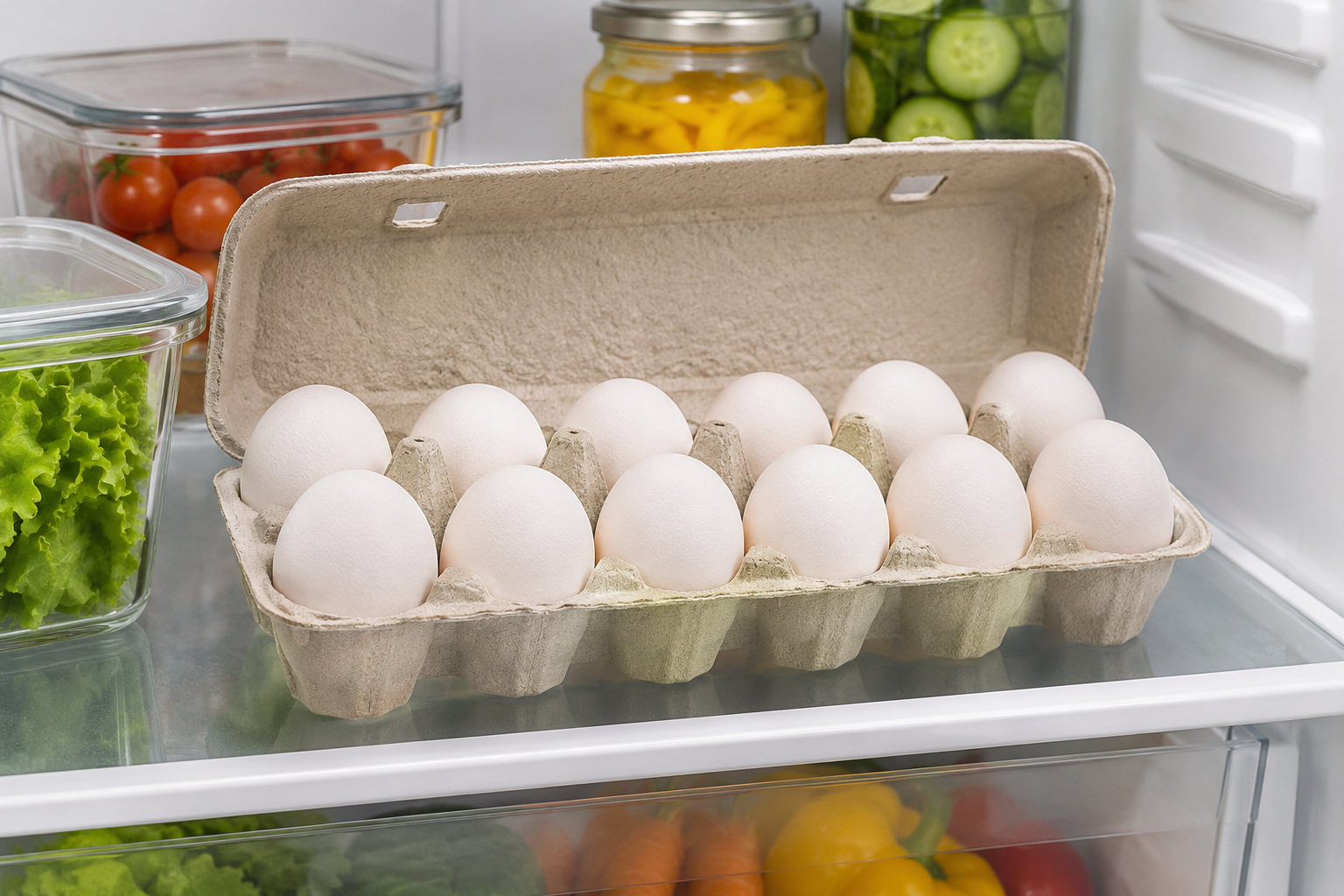
Egg storage depends on how they were handled before you bought them. In Canada and the United States, commercial eggs are typically sold refrigerated, so they should stay in the refrigerator at home. Keep them in their original carton on an interior shelf, where the temperature is steadier than the door.
In some places, eggs are sold unrefrigerated under different production and handling systems. The practical rule is consistency: if the store kept them chilled, keep them chilled; if local guidance and the package say shelf storage is appropriate, follow that direction. Avoid moving eggs repeatedly between warm and cold environments, and check the label or local food-safety advice when in doubt.

Comments